Health and Safety Policy for Cleaners W4
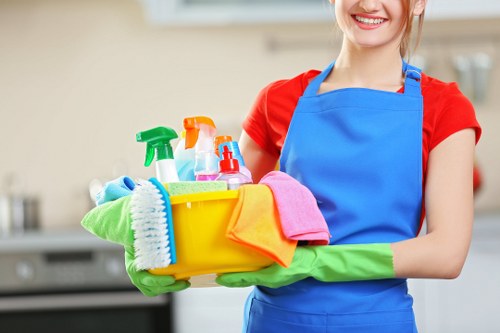 Our health and safety policy for cleaners W4 sets out the standards, responsibilities, and working practices needed to create a safer cleaning environment. It applies to all cleaning tasks, whether carried out in offices, shared buildings, private premises, or communal areas. The aim is to reduce risk, prevent injury, and make sure every cleaner understands how to work safely and confidently.
Cleaning work can involve wet floors, lifting equipment, using chemicals, handling waste, and working around other people. Because of this, a clear cleaner safety policy is essential. The policy below promotes safe working habits, proper supervision, suitable equipment use, and prompt reporting of hazards. It supports consistent standards and helps build a responsible safety culture.
 All staff must follow this policy at all times. Managers, supervisors, and operatives each have specific duties, but everyone is expected to take reasonable care for their own safety and the safety of others. A strong cleaning health and safety policy should be practical, easy to understand, and regularly reviewed so it stays effective in everyday work.
Policy Statement
The organisation is committed to providing a safe and healthy working environment for all cleaners. We will identify hazards, assess risks, and put suitable control measures in place before work begins. This includes choosing appropriate cleaning products, maintaining equipment, and ensuring tasks are planned to avoid unnecessary exposure to danger.
Core Responsibilities
Managers are responsible for providing training, safe systems of work, and the resources needed to complete tasks safely. They must ensure that cleaners receive information about hazards and understand the correct method for each job. Supervision should be proportionate to the task and the experience of the worker.
Cleaners must use equipment properly, follow instructions, and report unsafe conditions immediately. They should not improvise with chemicals, electrical equipment, or lifting methods. A reliable health and safety policy for cleaning staff depends on shared responsibility and consistent communication across the team.
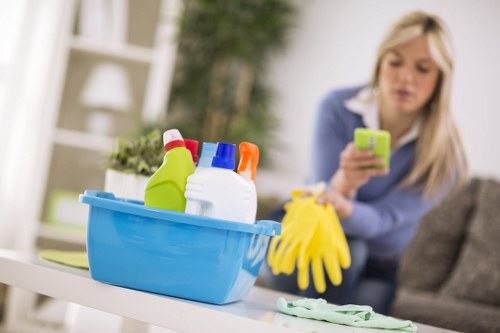
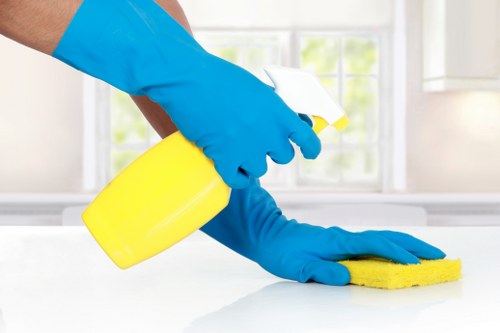 Personal protective equipment, where required, must be worn correctly and kept in good condition. This may include gloves, aprons, eye protection, or non-slip footwear. The right equipment helps reduce exposure to irritants, sharp objects, and slippery surfaces, making day-to-day cleaning work safer.
Safe Working Practices
Before starting any task, cleaners should check the area for hazards such as broken glass, trailing cables, unstable furniture, or wet floors. Warning signs should be used whenever surfaces may become slippery. Where cleaning is taking place near other occupants, work should be planned to reduce disruption and avoid accidental contact.
Chemical safety is a key part of this policy. Products must be stored securely, clearly labelled, and used according to instructions. Mixing products is not permitted unless specifically approved. Staff should understand dilution ratios, ventilation requirements, and the correct response if a product splashes on skin or into the eyes.
Manual handling must be managed carefully. Cleaners should avoid unnecessary lifting, use trolleys where suitable, and assess the weight and shape of items before moving them. Repetitive strain and overexertion can be reduced by varying tasks, using good posture, and taking short recovery breaks when needed.
Training, Equipment, and Reporting
Training is a central part of the cleaner health and safety policy. New starters should receive induction training covering site rules, emergency arrangements, PPE, chemical use, fire safety, and accident reporting. Refresher training should be provided when processes change or when a risk review identifies a need for improvement.
All equipment must be suitable for the task, checked before use, and maintained in good working order. Faulty vacuums, damaged mop heads, frayed cables, or leaking containers must be removed from service until repaired or replaced. Using well-maintained tools supports both quality and safety.
 Any accident, near miss, spill, injury, or unsafe condition must be reported without delay. Quick reporting allows corrective action before a small issue becomes a serious incident. It also helps identify patterns, improve procedures, and keep the workplace safer for everyone involved.
Emergency Response and Review
In an emergency, cleaners should stop work if safe to do so and follow the agreed procedure. This may include evacuating the area, isolating equipment, or assisting only if trained and it is safe to help. Emergency routes must remain clear, and staff should know the basic actions to take for fire, chemical exposure, or injury.
The policy should be reviewed regularly to ensure it remains suitable and effective. Changes in equipment, staffing, building layout, or cleaning methods may require updated controls. A proactive health and safety policy for cleaners is not a static document; it must reflect current risks and working conditions.
 By following these standards, the organisation helps protect cleaners, reduce accidents, and maintain dependable service delivery. Good safety practice benefits everyone by supporting confidence, consistency, and professionalism across all cleaning operations.